

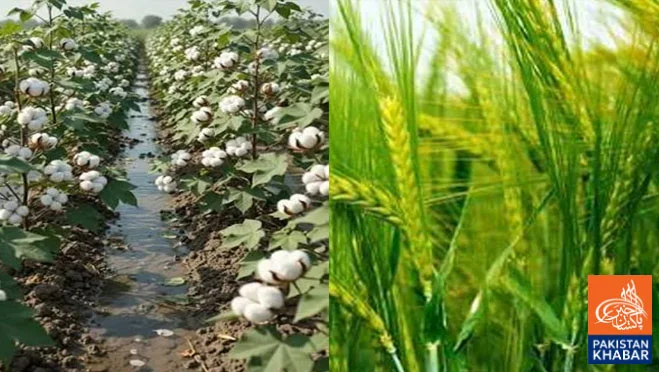
Karachi (Commerce Desk): The new policy to deregulate the sugar industry has raised concerns over an extraordinary increase in sugarcane cultivation, which could further reduce domestic cotton and wheat production, increase imports of cotton and edible oil, and add to the country's overall import expenditure.
Chairman of the Cotton Ginners Forum, Ehsan-ul-Haq, said that under the new policy, the restrictions on establishing new sugar mills and expanding the production capacity of existing mills have been lifted. This move could affect domestic cotton and wheat production while encouraging increased sugarcane cultivation in traditionally cotton-growing areas. According to him, an increase in sugarcane cultivation could also affect the quality of cotton due to environmental pollution.
He said that the expansion of sugarcane cultivation could also affect the availability of canal water and put thousands of acres of agricultural land at risk of waterlogging and salinity. In view of these concerns, the domestic cotton sector has called for a review of the policy aimed at relaxing regulations governing the sugar industry.
According to Ehsan-ul-Haq, the new policy has created concern throughout the cotton sector, as it could promote what is being described as "white poison" instead of "white gold" in Pakistan.
He explained that until 10 years ago, Pakistan's annual cotton production stood at approximately 15 million bales. High-value products manufactured from this cotton were exported, generating billions of dollars in valuable foreign exchange. High-quality domestic cotton was also exported to India, Bangladesh, Vietnam and African countries.
He said that the gradual increase in sugarcane cultivation across cotton-producing regions throughout the country was driven by the failure to enforce laws governing the cultivation of specific crops in designated areas, as well as record government subsidies and other incentives provided for sugar exports.
In addition, a large number of new sugar mills were established in traditional cotton-growing areas, while the production capacity of existing mills was also significantly expanded. As a result, increased sugarcane cultivation led to a decline in domestic cotton production to approximately 5.5 million bales.