

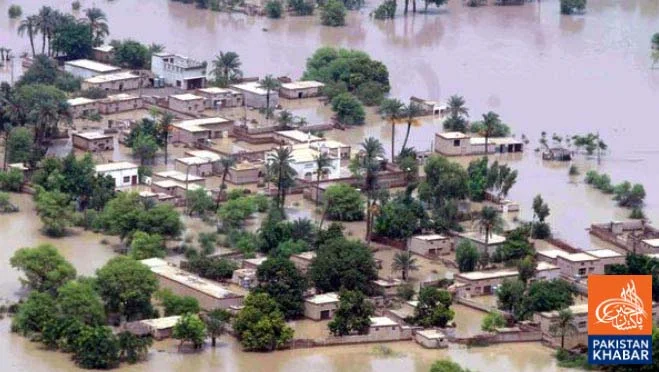
Lahore (Pakistan Desk) – The ponds once found in many villages of Punjab and Sindh were not merely water storage sites but important centers of rural life. Rainwater was stored in these ponds, livestock drank from them, birds found habitats, lotus flowers bloomed, and underground water reserves were naturally replenished through these systems.
Over time, development, population growth, changing land use, and the increasing use of tube wells caused these ponds to gradually disappear, becoming memories of the past.
Experts say Pakistan is currently facing a major environmental crisis linked to the rapid decline of natural water bodies and wetlands. These areas play a vital role in reducing floods, maintaining groundwater levels, naturally filtering pollution, and protecting various species of animals and birds.
Pakistan is among the countries blessed with several important wetlands. The country has 19 Ramsar wetlands of international importance, including the floodplains of the Indus River, northern lakes, and coastal mangroves of Sindh.
However, rapid urban expansion, agricultural encroachments, industrial pollution, reduced river flows, and climate change have placed these natural resources under severe threat.
Experts say wetlands were mistakenly considered unnecessary or useless land for a long time, whereas in reality these natural systems act like a sponge for the Earth.
According to experts, during heavy rains wetlands absorb excess water, while during dry seasons they gradually release this water back into the soil and environment. If these natural systems disappear, floods could become more destructive and the effects of droughts could become more severe.