

Kuwait City/Manama/Washington (Monitoring Desk): Rising tensions between the United States and Iran have once again pushed the Gulf region into a state of severe uncertainty and heightened risks.
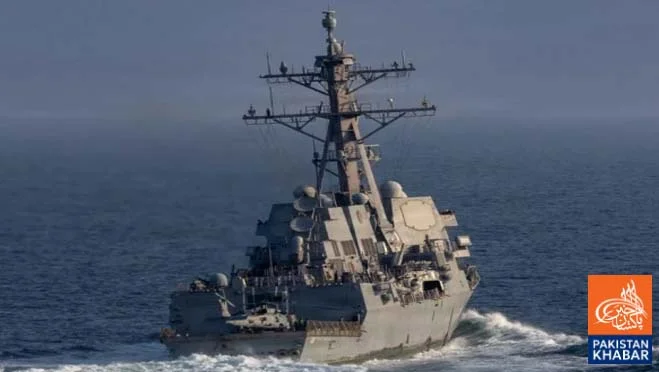
Following the US decision to reimpose a naval blockade on Iranian ports and continued air operations inside Iran for the fourth consecutive day, a significant increase in military activities has been observed across the region.
According to US officials, Washington has considered the temporary ceasefire and reconciliation process from last month to have ended and has launched new military operations against Iran. The US military targeted several Iranian military installations, including missile, drone, and coastal defense systems.
On the other hand, Iran also carried out retaliatory attacks using missiles and drones, further increasing concerns regarding maritime security in the Strait of Hormuz and Gulf waters.
Kuwait’s Ministry of Defense stated that the country’s air defense systems successfully intercepted and destroyed several Iranian drones and other aerial targets. Kuwaiti officials said that a naval vessel was also affected in an attack, resulting in injuries to some personnel, though further details of the incident were not released.
The situation also remained tense in Bahrain, where air raid sirens were activated across the country due to potential aerial threats. Authorities urged citizens to remain cautious and follow safety instructions.
Meanwhile, US President Donald Trump warned that if Iran does not return to the negotiating table, the scope of military operations could expand further in the coming days. He also identified Iranian power plants and key facilities as possible targets.
Experts say that ongoing tensions between the US and Iran have increased concerns regarding global maritime trade, oil supplies, and regional peace in the Strait of Hormuz. The international community is closely monitoring the situation, while diplomatic efforts to reduce tensions are also underway.